
Understanding Local Tax Regulations in Westchester County: A Guide for Small Businesses
Introduction to Local Tax Regulations
For small business owners in Westchester County, navigating the complex landscape of local tax regulations can be a daunting task. Understanding these regulations is crucial for ensuring compliance and maximizing profitability. This guide aims to simplify the process by breaking down key aspects of local taxes that business owners need to be aware of.

Understanding Property Taxes
Property taxes are a significant consideration for businesses operating in Westchester County. These taxes are levied on real estate properties and can vary significantly depending on the location and size of the property. It's essential for business owners to understand how property taxes are assessed and what exemptions might be available.
Property taxes are calculated based on the assessed value of the property, which is determined by the local tax assessor. To ensure you're not overpaying, it's advisable to periodically review your property's assessed value and consider appealing if it seems inaccurate.
Sales Tax Regulations
Westchester County businesses must also comply with state and local sales tax regulations. The current sales tax rate in the county is a combination of the New York State sales tax and an additional local tax. Business owners need to register for a sales tax permit and collect taxes on applicable sales.

It's important to stay updated on any changes to sales tax rates or regulations, as these can impact your pricing and accounting processes. Regular audits of your sales tax collection and remittance procedures can help ensure compliance and avoid costly penalties.
Employee Payroll Taxes
Another crucial aspect of local taxation is payroll taxes. Employers in Westchester County are responsible for withholding federal, state, and local taxes from their employees' wages. This includes Social Security, Medicare, and state income taxes, as well as any applicable local taxes.
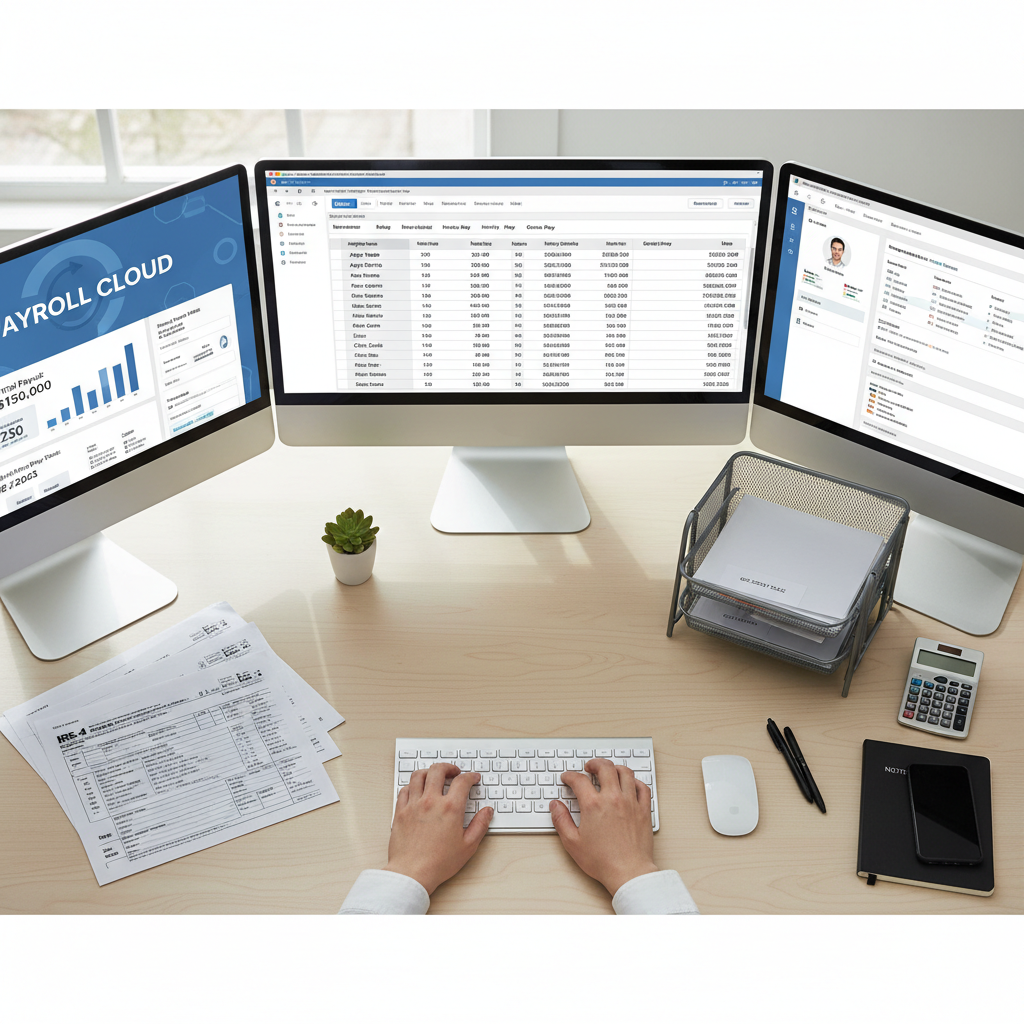
Accurate payroll processing is essential to avoid legal issues and maintain employee satisfaction. Consider using payroll software or consulting with a tax professional to manage this complex area efficiently.
Business Income Tax
Small businesses in Westchester County may also be subject to business income taxes. Depending on the structure of your business, such as a sole proprietorship, partnership, or corporation, the tax implications can vary. It's important to understand the specific tax obligations related to your business type.
Consulting with a tax advisor can provide valuable insights into the deductions and credits available to your business, potentially reducing your overall tax liability.
Staying Informed and Compliant
Staying informed about local tax regulations is vital for small business success. Regularly reviewing updates from the Westchester County tax authorities and attending local business workshops can help you keep abreast of any changes.
Maintaining accurate records and documentation is also critical. This practice not only aids in compliance but also prepares your business for any potential audits or inquiries from tax authorities.

Conclusion
Understanding and adhering to local tax regulations in Westchester County is essential for small business owners. By staying informed and seeking professional guidance when necessary, you can ensure compliance, avoid penalties, and focus on what truly matters—growing your business.