
Navigating Quarterly Tax Filing Deadlines in NY: A Comprehensive Timeline
Understanding Quarterly Tax Filing in New York
For businesses in New York, navigating quarterly tax filings can be a daunting task. However, understanding the timeline and requirements can simplify the process. This guide provides a comprehensive overview to help you stay compliant and avoid penalties.

Key Deadlines for Quarterly Tax Filing
New York businesses are required to file taxes quarterly. The deadlines are typically:
- First Quarter: April 15
- Second Quarter: June 15
- Third Quarter: September 15
- Fourth Quarter: January 15 of the following year
Marking these dates on your calendar is crucial. Missing them can result in fines and interest charges.
Preparing for Quarterly Tax Filings
Preparation is key to navigating tax filings smoothly. Start by organizing your financial records, including income statements, expense receipts, and any relevant tax documents.
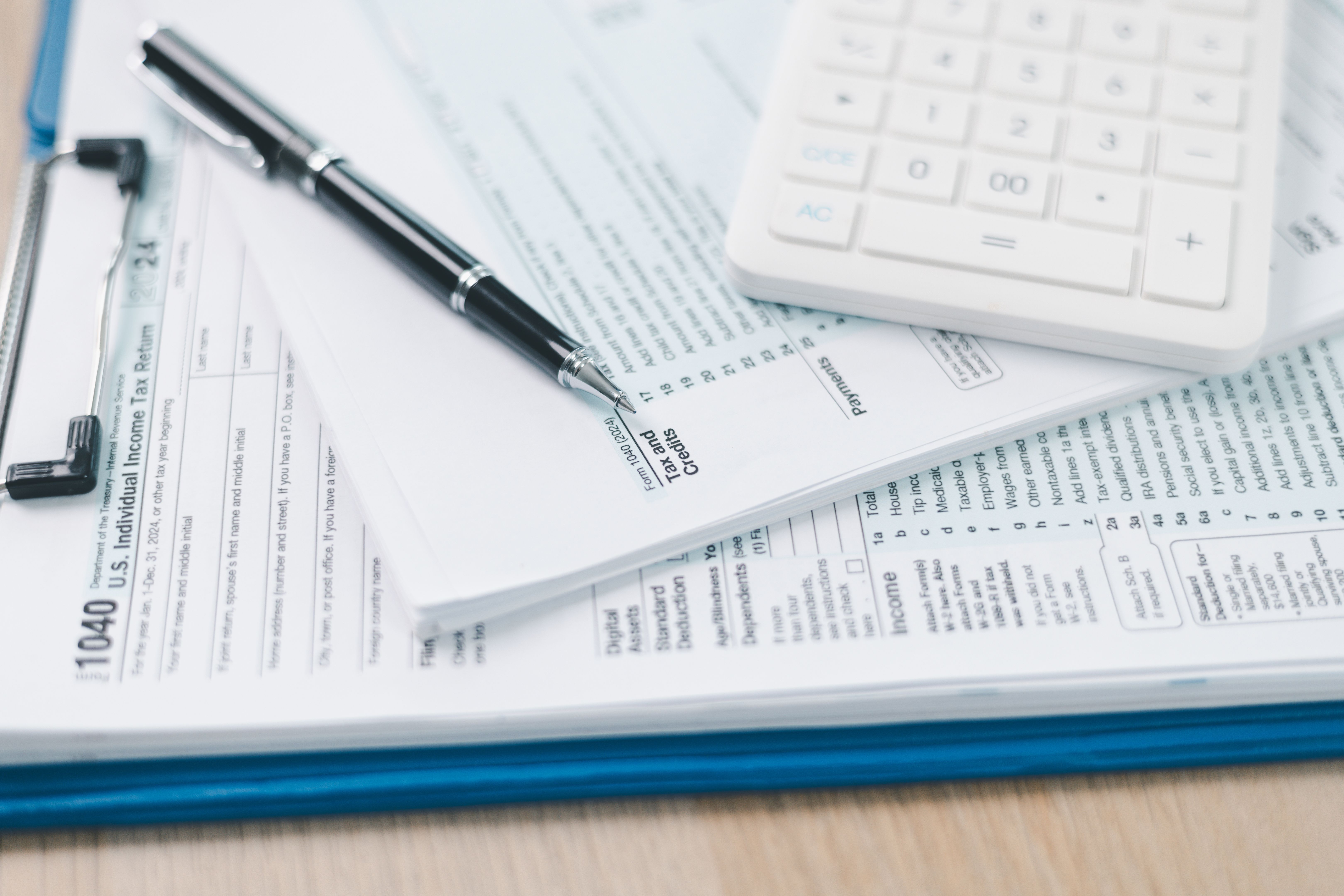
Using accounting software can simplify this process, allowing you to generate reports quickly and accurately. Many businesses find that having a tax professional review their records helps ensure compliance.
Calculating Estimated Taxes
Quarterly tax payments are based on the estimated taxes owed for the year. Calculating these accurately requires a clear understanding of your business's financial performance.
Consider the following steps:
- Review last year’s tax return to estimate this year’s liabilities.
- Adjust for any changes in income or expenses.
- Use IRS Form 1040-ES for individuals or Form 1120-W for corporations to calculate estimated taxes.

Filing Your Quarterly Taxes
Once you’ve calculated your estimated taxes, filing can be done electronically or by mail. New York offers an online filing system that is both efficient and secure.
Ensure all forms are completed accurately to avoid any issues. Double-check all entries for possible errors before submission.
After Filing: Keeping Records
After filing, keep a copy of all submitted forms and payment confirmations. These records are essential for future filings and in case of audits.

Regularly reviewing these records can also provide insights into your business's financial health, allowing for better planning and decision-making.
Tips for Staying Compliant
Staying compliant is easier with a few strategic practices:
- Set reminders for tax deadlines.
- Work with a tax professional to ensure accuracy.
- Stay informed about any changes in tax laws.
By following these tips, you can reduce stress and focus more on growing your business.