
How to Prepare Your Westchester Business for Tax Season
Understand Your Tax Obligations
Preparing your Westchester business for tax season requires a comprehensive understanding of your tax obligations. It’s essential to know which taxes apply to your business, including federal, state, and local taxes. Consulting with a tax professional can help ensure that you are aware of all requirements and any recent changes in tax laws.
Additionally, identify deadlines for each tax type. Missing a deadline can result in penalties, so keeping a calendar with all important dates can be beneficial. Make sure to include dates for estimated tax payments if required.

Organize Financial Records
Maintaining organized financial records is crucial for a smooth tax season. Ensure that all invoices, receipts, and bank statements are accurately documented and easily accessible. Consider using accounting software to keep track of your finances throughout the year, which can simplify the preparation process.
Regularly reconciling your accounts can prevent discrepancies and ensure that your records reflect your business’s actual financial position. This will not only help during tax season but also provide you with valuable insights into your business’s performance.
Utilize Technology
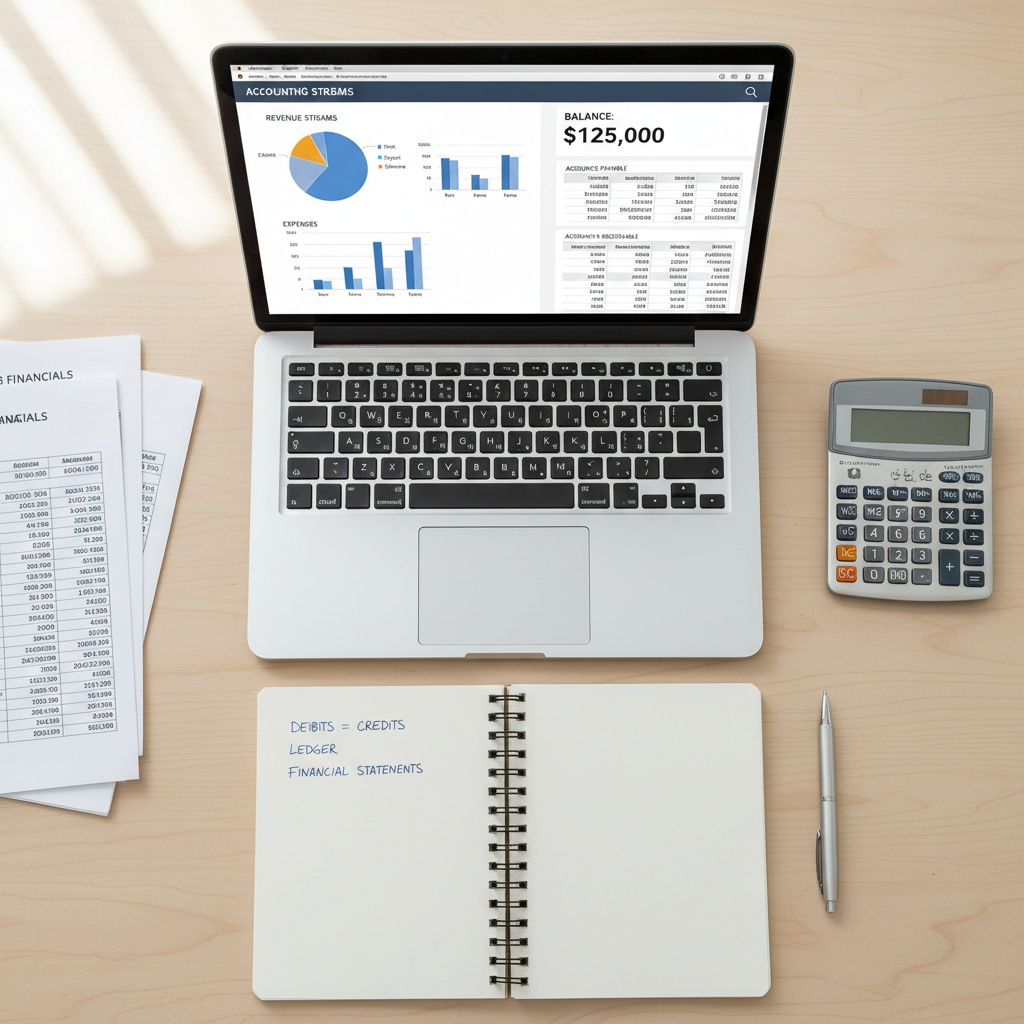
Leverage technology to streamline your tax preparation process. Numerous accounting software options are available that can automate many aspects of tax preparation, such as calculating deductions and generating financial reports. These tools can save time and reduce errors.
Review Deductions and Credits
Knowing which deductions and credits your business qualifies for can significantly impact your tax liability. Common deductions include office expenses, travel, and employee salaries. Research industry-specific deductions that might apply to your business.
In addition to deductions, explore any available tax credits. These can provide substantial savings and may vary based on your business activities and location. A tax professional can assist in identifying applicable credits and ensuring compliance with eligibility requirements.
Consider Hiring a CPA
If tax preparation feels overwhelming, consider hiring a Certified Public Accountant (CPA). A CPA can offer expert guidance and ensure that all tax filings are accurate and timely. They stay updated on the latest tax laws and can provide strategic advice tailored to your business needs.

Plan for the Future
Once tax season is over, take the time to evaluate your business’s financial strategies. Consider setting up a tax plan for the upcoming year that includes estimated tax payments and potential adjustments based on your business’s growth.
Creating a proactive financial strategy can alleviate stress in future tax seasons and contribute to your business’s long-term success. Regularly reviewing and adjusting your plan as needed will help you stay on track and maximize your financial health.