
Expert Tips for Preparing Your Business Finances for Tax Season in NY
Understand Your Tax Obligations
As a business owner in New York, it's crucial to understand your specific tax obligations. Knowing what forms you need to file and when they're due can save you from unnecessary penalties. New York has its own set of tax requirements, so familiarize yourself with both state and federal obligations. Consider consulting with a tax professional to ensure you're on the right track.
Having a clear understanding of your tax responsibilities will empower you to make informed financial decisions. This knowledge is an invaluable asset as you prepare your business finances for tax season.
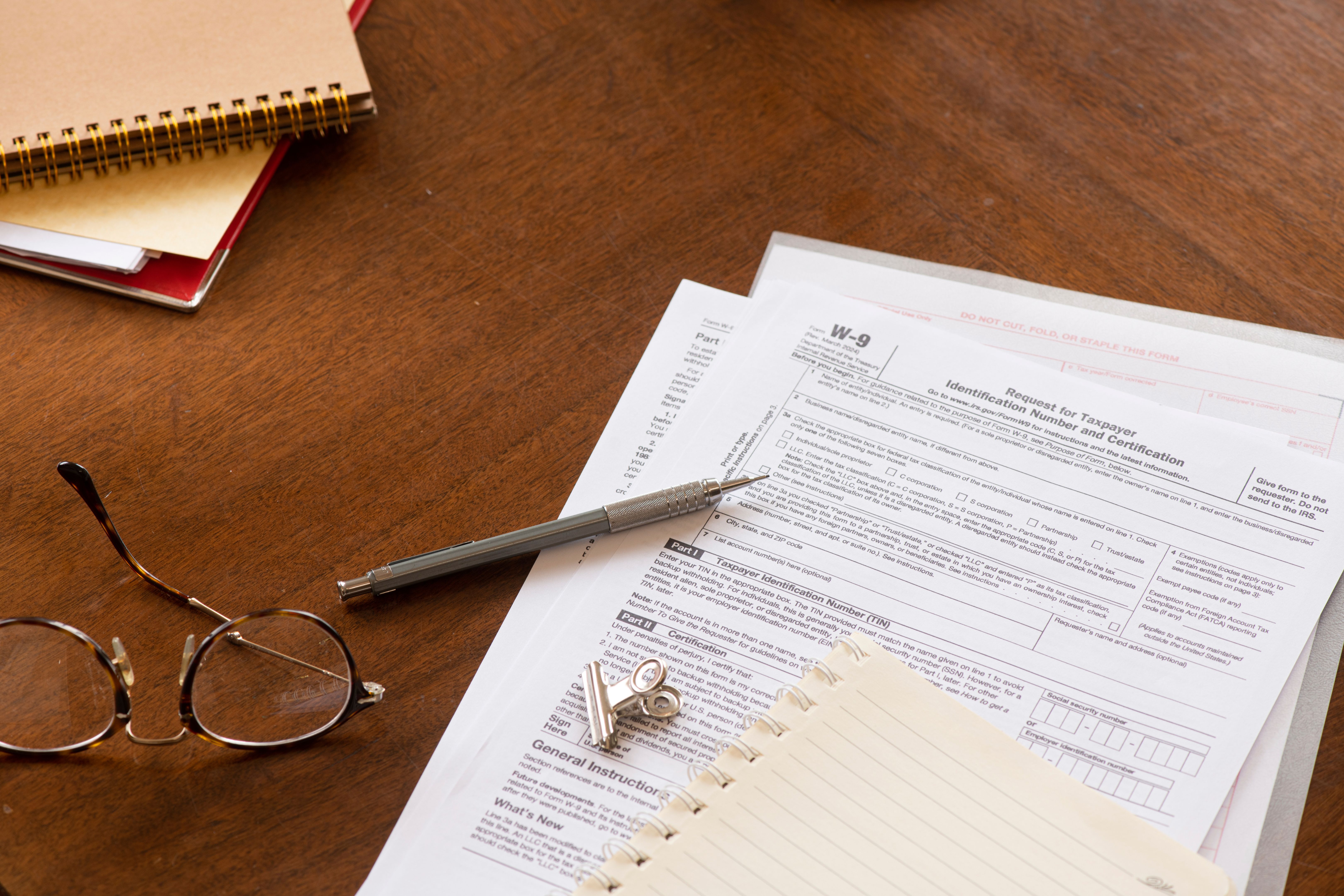
Organize Your Financial Records
One of the most important steps in preparing for tax season is organizing your financial records. Make sure all your income, expenses, and receipts are documented and easily accessible. This will not only make the filing process smoother but also help you identify any deductions you may qualify for.
Consider using accounting software to keep your records organized. This can automate many processes and reduce the risk of errors. Regularly updating your financial records throughout the year will make tax season much less stressful.
Leverage Technology for Record-Keeping
Utilizing technology can significantly simplify your record-keeping process. There are various apps and tools available that can help you track expenses and manage receipts effectively. By digitizing your records, you also make it easier to share necessary documents with your accountant or tax advisor.

Maximize Tax Deductions
To maximize your tax savings, make sure you're taking full advantage of all available deductions. Common deductions for businesses include office supplies, travel expenses, and employee salaries. Don't overlook industry-specific deductions that may apply to your business.
Keep detailed records of all expenses throughout the year to ensure you can substantiate any deductions you claim. It's advisable to consult with a tax professional to identify additional deductions you might be eligible for.
Stay Informed About Tax Law Changes
Tax laws can change frequently, affecting what deductions and credits you may be eligible for. Staying informed about these changes can help you plan accordingly and avoid any surprises during tax season. Subscribe to relevant newsletters or follow industry updates to keep yourself informed.

Plan for Estimated Taxes
Many businesses, especially those that are self-employed, may need to pay estimated taxes quarterly. Failing to do so can result in penalties and interest charges. Calculate your estimated taxes accurately and make timely payments to avoid any issues.
Setting aside a portion of your income throughout the year can help you manage your cash flow and ensure you have funds available for these payments. Consult with a tax advisor to determine the correct amount to set aside.
Review and Adjust Your Financial Plan
Tax season is an excellent time to review your financial plan and make necessary adjustments. Evaluate your current financial strategies and consider whether they align with your business goals. A thorough review can offer insights into areas where you can improve your financial performance.
Taking these steps will not only prepare you for tax season but also set a solid foundation for your business's financial health throughout the year.